


Too Good To Go: End Food Waste
Too Good To Go Aps
I first understood the appeal of Too Good To Go: End Food Waste when I stopped treating it like a normal takeaway app. Instead of choosing a particular meal from a full menu, I use it to find food that local shops and restaurants have not sold, then collect a surprise selection at a reduced price. That small change in mindset is important: the app is less about ordering exactly what I want and more about making a practical bargain from what is already available.
It is a free Food & Drink app from Too Good To Go Aps, aimed at everyone and available on Android from version 8.0 onward. The service has been around since January 14, 2016, and the current version is 26.3.0. Its popularity is easy to understand: the listing shows a 4.9 average from around 1.9 million ratings, with over 50 million installs. Those figures do not replace personal experience, but they do reflect how naturally the idea fits into everyday routines.
How I use it for a shared household
The most useful scenario for me is a flexible evening when nobody in the household has planned a specific dinner. I can check nearby offers, reserve one that suits the timing, and turn the collection into dinner, breakfast, or something to freeze. It works particularly well when one person is already passing through the area and can collect the order on the way home.
That flexibility also creates the main compromise. I am not choosing a precise dish, portion, or combination in the way I would with a conventional restaurant app. The contents depend on the participating business and what remains available. For a household that enjoys trying different foods, this feels like a small adventure. For someone managing strict allergies, a fixed diet, or a child who will only eat one familiar meal, it can be a poor fit.
I would not use the app as my only dinner plan when everyone is hungry at a specific time. Collection windows matter, and the food may not match the preferences of every person sharing it. Instead, I treat a reservation as an opportunity that can supplement a normal grocery trip or replace a planned meal only when the household is comfortable with uncertainty.
Latest News

Uber Eats Under Pressure: What Happens When Delivery Goes Wrong

How QR & Barcode Scanner Adapts to Android and iOS Innovations

Why Waze Navigation & Live Traffic Is Your Essential Travel Companion

CapCut Mastery: Unleash Hidden Features for Pro-Level Editing

How OS Updates Enhance Roblox Adventures

Teacher Simulator: Exam Time Turns Quick Classroom Judgments into a Repetitive Loop
A realistic routine is to check the map before leaving work, discuss the promising options in the household chat, and reserve only after confirming that someone can reach the shop during its collection period. That last step prevents a common mistake: seeing an attractive offer and assuming it can be collected whenever convenient. The app is most rewarding when the reservation fits an existing journey rather than forcing a special trip.
What the surprise format means in practice
The surprise element is not just a playful detail. It changes how I judge value. I look at the type of business, location, timing, and likely usefulness rather than expecting a restaurant-style menu. A bakery offer may be excellent for a shared breakfast, while a prepared-food offer may make more sense for an evening when the household can eat immediately.
I also plan for storage before collecting. If the household cannot eat everything soon, I make room in the refrigerator or freezer first. This is one of the less obvious advantages of thinking ahead: the discount is only worthwhile if the food can actually be used. Buying an inexpensive surprise and then letting half of it go to waste defeats the purpose.
Gallery
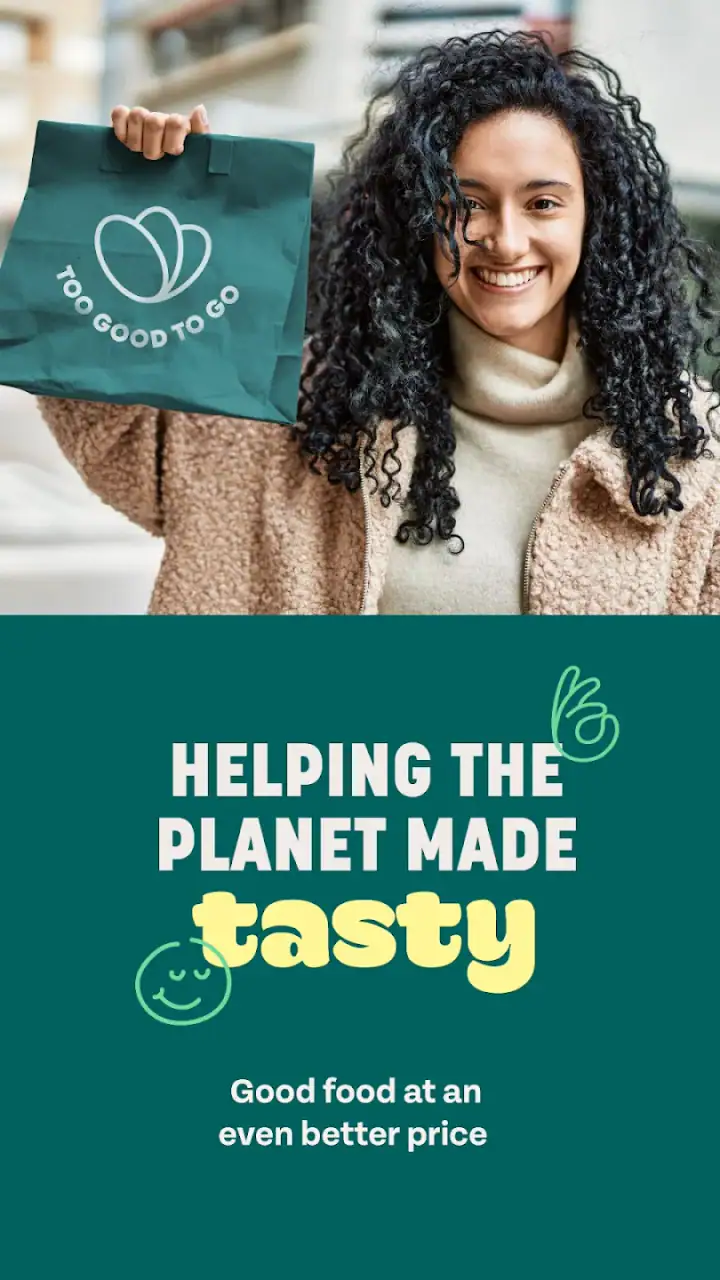
Another practical habit is to keep expectations broad. I might reserve an offer hoping for a mixture of items, but I do not promise the household a particular ingredient. This avoids disappointment and makes the experience easier for children or housemates who are willing to try something new but still need a backup option.
Setting boundaries before anyone reserves
On a shared device, the first boundary I would establish is whose account is being used. A reservation is connected to the person who makes it, so casually switching between household members can cause confusion about who is responsible for collecting it. I prefer one clearly identified account for the person who normally handles reservations, rather than several people making bookings from the same phone without telling one another.
This is especially important when a household shares payment access, notifications, or collection duties. Before tapping to reserve, I check that the correct person is signed in and that everyone knows the plan. The app is simple enough to use quickly, which is convenient, but that speed can also make an accidental reservation easier if people are passing the device around.
I would also separate browsing from committing. Anyone in the household can look at nearby offers and suggest one, but the person who will collect should make the final decision. That creates a useful boundary between “this looks interesting” and “we have made a reservation.” It is a small workflow change, yet it prevents duplicate plans and last-minute arguments about who is going out.
There is no need to pretend that every household has the same food needs. I would agree in advance on a few simple rules: avoid offers that conflict with known allergies, do not reserve when nobody can meet the collection window, and do not assume that a surprise offer will satisfy a particular person. These are household decisions rather than app features, but they determine whether the experience feels helpful or stressful.
For shared devices used by younger family members, I would keep the final reservation step with an adult or another trusted person who understands the collection commitment. The app is rated for everyone, but an age rating does not remove the practical responsibilities around spending, travel, food allergies, or collecting from a shop. A child may enjoy browsing the nearby possibilities; an adult should decide whether the offer is suitable and achievable.
Why account clarity matters more than it seems
The hidden difficulty with shared use is not learning where to tap. It is maintaining a reliable record of who chose the offer, who paid, and who is expected to arrive. If one person reserves while another sees only a notification, the second person may not know the exact collection plan or the expectations attached to it.
My preferred arrangement is simple: one person browses, the household discusses the option, and the collector confirms the reservation details before leaving. If plans change, that same person communicates immediately rather than assuming someone else will notice. This is more dependable than leaving the app open on a shared tablet and expecting everyone to infer what happened.
I would not create multiple household accounts merely to imitate separate profiles unless each person genuinely needs to manage their own reservations. More accounts can make responsibility clearer, but they can also scatter information. The right choice depends on whether the household is coordinating one regular routine or several independent users.
Coordinating collection without turning it into a chore
Collection is where the app differs most from ordinary delivery services. I need to visit the business during the stated window, so the best offer is not necessarily the cheapest or closest one. I weigh the route, the time, and whether the household will be ready to use the food. A slightly less exciting offer near a normal commute is often better than an attractive one that requires a separate journey.
I find it useful to nominate a backup collector before reserving. If the main person is delayed, another household member may be able to take over, but only if they know the plan and have access to the relevant reservation information. This is particularly helpful in shared households where work schedules change during the day.
Coordination also means discussing the food after collection. I like to announce what arrived, identify anything that needs eating first, and decide what will be shared immediately. This avoids the familiar refrigerator problem where nobody knows whether an item belongs to the person who collected it or is available to everyone.
The app is not a substitute for a shopping list. A conventional grocery app is better when I need exact ingredients, predictable quantities, or a planned recipe. A normal takeaway service is better when everyone wants to choose individual meals and have them delivered. Too Good To Go is strongest in the gap between those options: when the household is flexible, nearby, and happy to adapt.
That distinction helps me avoid overusing it. If I need food for a birthday, a dietary requirement, or a tightly timed gathering, I choose certainty instead. If I am trying to reduce the cost of an ordinary meal and can accept variation, the surprise format becomes an advantage rather than a limitation.
Three habits that improve the experience
- Match the offer to the journey. I check whether the collection point lies along a route I already need to take. This keeps the bargain from becoming an expensive or inconvenient detour.
- Plan the first use before collecting. I decide whether the food is for tonight, tomorrow morning, or the freezer. That makes it easier to judge whether a particular offer is genuinely useful.
- Agree on household flexibility. I ask whether everyone is comfortable with a surprise selection before reserving. This is more important than chasing the most tempting photo or description.
A fourth habit is to read the offer information carefully rather than relying on assumptions about the business. The type of shop gives me a clue, but it cannot guarantee the exact contents. I use the available details to judge suitability, then keep my expectations realistic. That approach makes the app feel honest: I am accepting a variable rescue box, not ordering a customized meal under a different name.
Age, trust, and everyday responsibility
The Everyone rating makes the app approachable for a broad audience, but household trust still matters. A younger user may be perfectly capable of exploring offers, while the adult responsible for the household should consider allergies, transport, spending, and whether the collection time is realistic. The app can be easy to understand without every decision being appropriate for every person.
I would explain the concept to a child as choosing a chance to save food, not as selecting a guaranteed treat. That wording sets the right expectation. It also encourages curiosity without promising a particular snack or meal. If the contents are unsuitable, the household should have a calm plan rather than treating the reservation as a guaranteed solution.
For teenagers or housemates, the main trust question is whether they will remember the collection window and communicate clearly. A missed collection is not just an inconvenience for the person who reserved; it can disrupt the household plan and waste the very food the app is intended to save. I therefore prefer assigning the task to someone whose schedule is stable that day.
Food trust is another consideration. I pay attention to what kind of business is offering the selection and how quickly the household can use it. I do not treat a low price as a reason to ignore normal food-handling judgment. If someone in the household has a serious allergy or medically restricted diet, a surprise-based service demands more caution than a clearly labeled grocery purchase.
The app works best with people who can make decisions together without needing every detail in advance. It is less suitable for a household where food choices regularly cause conflict, where nobody can collect during the available times, or where a person needs complete control over ingredients. In those cases, the usual alternatives are not merely more convenient; they are safer and more predictable.
How the app fits different household types
For a couple with flexible schedules, it can turn an unplanned evening into an inexpensive shared meal. For students or housemates, it can stretch a food budget when someone is already near the collection point, although they should agree on who gets which items. For a family with young children, it can work for breakfast or snacks if an adult checks suitability and the children are comfortable with surprises.
For an older person living alone, the value depends on portion size and transport. A large selection may be difficult to use before it loses quality, while a distant collection point may cancel out the saving. In that situation, a nearby offer shared with a neighbor could make more sense than reserving alone, provided the arrangement is clear.
For remote workers, the app can be tempting because nearby offers appear during the day, but I would still avoid reserving without a firm collection plan. The convenience of browsing from home can hide the practical issue of getting to the shop. A household member already going out is often the key to making the deal worthwhile.
My household verdict after weighing the trade-offs
I recommend Too Good To Go: End Food Waste to people who enjoy flexibility and want a low-cost way to discover surplus food near them. I like that it changes the question from “What exact meal should I order?” to “What useful food can I rescue and fit into today?” That makes it feel different from both delivery apps and grocery shopping, rather than being a weaker copy of either.
The strongest part is the combination of discovery and practicality. A household can browse together, choose an offer that fits an existing route, and share the result. The app is free, and its Everyone rating makes it accessible for family browsing, but successful use still depends on adult judgment and clear communication when spending, allergies, or collection duties are involved.
The main friction is uncertainty. I cannot guarantee the exact contents, the perfect portion, or a menu that suits every person. Collection also requires more effort than delivery, and a bargain is not automatically a bargain if it creates a special trip or leaves food unused. These are not minor details; they define who should skip the app.
I would choose a conventional grocery service when I need ingredients for a recipe, a standard takeaway when everyone wants a specific meal, and a predictable local shop when timing or dietary control matters most. I choose this app when the household can be flexible, someone is already nearby, and the food can be used promptly.
Overall, my advice is to start with one reservation rather than building your entire routine around it. Browse together, let the intended collector make the final decision, prepare storage space, and treat the contents as a pleasant possibility rather than a promise. Used that way, this Food & Drink app becomes a genuinely useful household tool: not just a way to spend less, but a way to make an ordinary food plan more resourceful.
FAQs for Too Good To Go: End Food Waste
What is Too Good To Go and how does it work?
Too Good To Go is an app that aims to reduce food waste by connecting users with local restaurants, bakeries, and supermarkets offering surplus food at discounted prices. Users can browse available 'surprise bags,' reserve them, and pick them up at the specified time, helping both the environment and saving money.
Is Too Good To Go available in my area?
Too Good To Go is available in many countries across Europe and North America, with an expanding presence in other regions. To check availability, download the app and allow location access to see participating businesses nearby. The app continually adds new locations, so keep an eye out for updates in your area.
How can I pay for my order on Too Good To Go?
Payments on Too Good To Go are made directly through the app using a secure payment gateway. Users can pay with credit or debit cards, and in some regions, additional payment methods like PayPal or Google Pay are available. Ensure your payment method is set up in the app for a seamless experience.
What should I expect in a 'surprise bag'?
A 'surprise bag' contains surplus food items from the participating store. The exact contents vary, as they depend on what is left unsold. While the app provides a general idea of the type of food available (e.g., bakery, groceries), the specific items are a surprise, adding an element of excitement to your purchase.
Can I cancel or modify my order once it’s placed?
Once an order is placed on Too Good To Go, cancellations or modifications are generally not possible due to the nature of surplus food sales. However, if you encounter an issue, you can contact customer support through the app for assistance. Be sure to review all details before confirming your purchase.
Pros
- Easy to navigate user interface.
- Great variety of food options available.
- Helps reduce food waste efficiently.
- Cost-effective meals for users.
- Supports local businesses.
Cons
- Limited availability in some areas.
- Occasional app glitches reported.
- Pick-up times can be inconvenient.
- Not all meals available daily.
- Quality varies by location.


